

Properties and Functions of N2O and CO2 in Whipped Cream
When making whipped cream, choosing the right gas impacts the texture, consistency, and flavor. Nitrous oxide (N2O) and carbon dioxide (CO2) are two common gases used for this purpose, each offering unique properties and functions.
Chemical Composition of N2O and CO2
Nitrous oxide (N2O) is a colorless gas with a slightly sweet smell. It’s often called “laughing gas.” It is fat-soluble, which means it can dissolve in the fat molecules of cream. This allows for a smooth and creamy texture when the cream is whipped.
Carbon dioxide (CO2), on the other hand, is also a colorless gas but has a slightly acidic taste. It forms carbonic acid when dissolved in water. This can affect the taste of the whipped cream, making it slightly tangy. CO2 is not fat-soluble, which means it doesn’t dissolve well in the cream’s fat, impacting the final texture.
For a more detailed comparison between these gases, check out this article on N2O vs CO2 cartridges.
Mechanical Role in Whipped Cream Formation
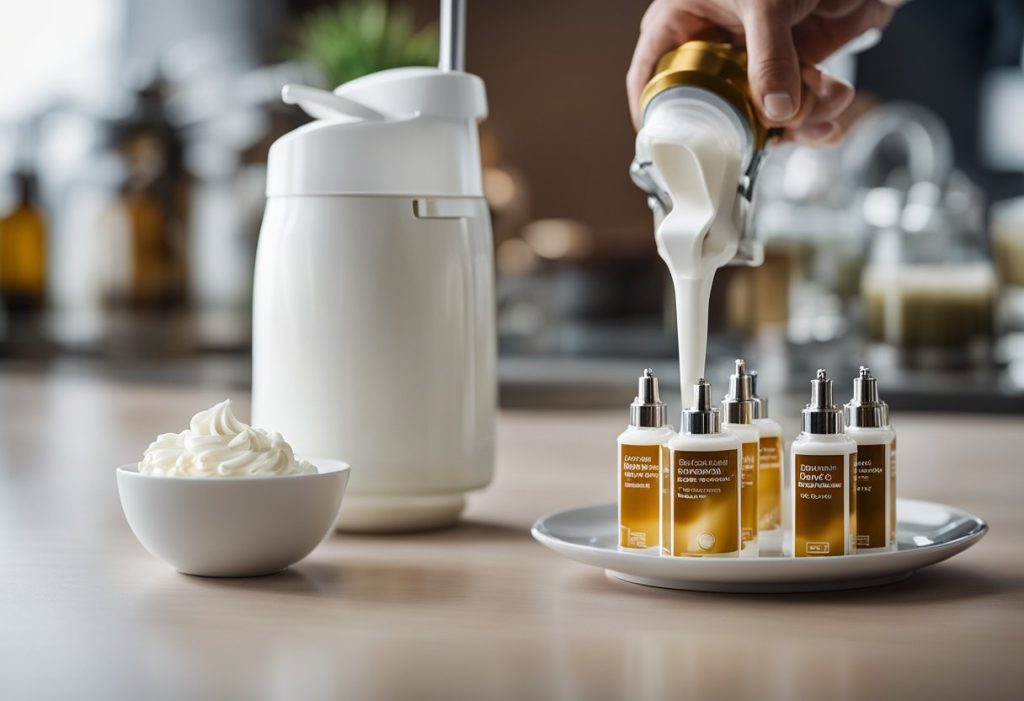
When using a whipped cream dispenser, N2O and CO2 work in different ways to create the desired consistency. N2O dissolves in the fat under pressure. When released, it expands and aerates the cream, resulting in a light, fluffy texture. This expansion is essential for achieving the characteristic foamy texture of whipped cream.
CO2 doesn’t dissolve in fats but works by being released into the cream. It creates bubbles that help in whipping, but due to its acidic nature and lack of fat solubility, the cream may not achieve the same level of lightness and fluffiness as with N2O. This difference in mechanical function can significantly impact the final product’s quality.
Influence on Texture and Consistency
N2O gives whipped cream a smooth, velvety texture. Its fat-solubility ensures consistent integration with the cream, producing a stable and airy foam. Consequently, using N2O can result in a more pleasant mouthfeel and longer-lasting whipped cream that holds its shape well.
CO2, while useful, imparts a different texture. The bubbles formed are often larger and less stable, making the whipped cream less fluffy and more foamy. The slight acidity from CO2 can also alter the taste, making it less ideal for sweet whipped cream used in desserts.
In summary, N2O is preferred for creating traditional whipped cream due to its ability to dissolve in fats and produce a smooth, airy texture. CO2 can be used, but it often results in a different consistency and flavor. For the best results, understanding the properties and functions of these gases in whipped cream creation is essential.
Practical Usage and Safety of Cream Chargers
Using cream chargers involves specific methods to ensure that the cream is perfectly aerated and safe. This section outlines key points, including the proper selection and use of devices, safety measures, and impacts on shelf life and storage.
Selection and Operation of Cream Dispensers
When choosing a whipped cream dispenser, look for high-quality materials like stainless steel or aluminum. This ensures durability. Nitrous oxide chargers are the most common choice.
To operate:
- Screw the nitrous oxide cream charger into the top.
- Make sure the canister is tight to avoid gas leaks.
- Shake the dispenser to mix the gas with the cream.
- Dispense the whipped cream by pressing the lever.
Following these steps will help you maximize the efficiency of your device and produce consistently good results.
Health and Safety Considerations
Safety is crucial when using nitrous oxide chargers. Always adhere to the manufacturer’s guidelines for use.
- Proper Ventilation: Ensure your kitchen has proper ventilation to avoid inhaling gas.
- Using Air-Tight Containers: Store the chargers in an airtight container to maintain their efficiency.
- Handling: Never use damaged equipment to prevent accidents.
- Inhaling Risks: Avoid breathing in the released gas as it poses health hazards. Always use your cream dispensers responsibly.
By taking these precautions, you protect yourself and maintain a safe kitchen environment.
Impact on Shelf Life and Storage
Using a whipped cream dispenser can significantly extend the shelf life of your cream. Nitrous oxide interacts with the fats in the cream to produce a stable mixture that can last longer.
- Shelf Life Extension: Properly aerated cream can sometimes keep for a week in the fridge.
- Airtight Storage: Store the whipped cream in an airtight container within the dispenser to maintain freshness.
- Cool Environment: Keep your equipment and ingredients in a cool place to avoid spoilage.
Adhering to these storage guidelines helps keep your cream fresh and your chargers in good working condition.
Culinary Applications and Creativity with N2O and CO2
N2O and CO2 present distinct culinary possibilities. N2O brings a creamy, fluffy texture to whipped cream, while CO2 introduces carbonation, adding fizzy sensations in drinks and desserts.
Enhancing Culinary Creativity with Gases
Using nitrous oxide (N2O) in the kitchen lets you explore textures and forms in your dishes. It is ideal for achieving a luscious, creamy consistency in whipped cream and mousses. This gas ensures that your desserts have a stable, airy structure. On the other hand, carbon dioxide (CO2) is perfect for carbonating beverages, adding bubbles and a refreshing texture. This makes CO2 useful in creating fizzy drinks and light, aerated desserts.
Comparison of Uses in Desserts and Beverages
In desserts, N2O is preferred for its ability to dissolve in fats, providing a creamy texture. Whipped cream made with N2O is smooth and stable, perfect for toppings or fillings. Using N2O in a whipped cream dispenser ensures a consistent texture. CO2, often used in carbonating beverages, gives desserts like sorbets and mousses a lighter texture. CO2 may add a slightly acidic taste to carbonated beverages, enhancing the overall flavor profile of your drinks.
Innovations in Modern Culinary Techniques
N2O cream chargers have revolutionized how chefs create unique textures and forms, especially in molecular gastronomy. Techniques like making skinny whipped cream, which adds thickness without added fat, show the versatility of N2O in your culinary repertoire. The use of CO2 for carbonating drinks at home, such as sparkling water or fizzy cocktails, opens new doors for culinary creativity. This innovation has allowed home cooks and professionals to explore new dimensions in their recipes, transforming everyday dinners into extraordinary culinary experiences. The flexibility of these gases addresses various culinary needs and enhances dinner party experiences.
Frequently Asked Questions
This section addresses common questions about the use of N2O and CO2 in whipped cream dispensers, focusing on their effects, usability, safety, and chemical reactions.
What are the effects of N2O versus CO2 when used in whipped cream dispensers?
N2O is fat-soluble and creates a fluffy and airy texture in whipped cream. In contrast, CO2 can impart a slightly acidic taste because of carbonic acid formation. This taste difference is a key factor in choosing between the two gases.
Can CO2 be used as a substitute for N2O in making whipped cream?
Yes, CO2 can be used, but it isn’t ideal. CO2 does not dissolve in cream as well as N2O and may lead to a less stable foam. Additionally, the acidic taste from CO2 can alter the flavor of your whipped cream.
What are the consequences of inhaling N2O compared to CO2?
Inhaling N2O can have psychoactive effects and health risks if misused. It is commonly known as a laughing gas and can cause dizziness and disorientation. On the other hand, inhaling CO2 is dangerous and can result in suffocation or severe respiratory problems.
Are there any differences in the outcomes of whipped cream texture when using N2O or CO2 chargers?
Using N2O results in a smoother, creamier, and more stable foam due to its fat-solubility. CO2, on the other hand, tends to produce a less stable whip and can make the cream taste more acidic, affecting the overall texture experience.
Why is nitrous oxide preferred over carbon dioxide in whipped cream preparation?
Nitrous oxide is preferred because it dissolves well in cream, leading to a stable and fluffy texture. Additionally, N2O does not affect the taste of the cream. CO2 can change the flavor profile, making it less desirable for culinary uses.
How does the chemical reaction of N2O differ from CO2 in culinary applications?
N2O dissolves in the fat molecules of cream, which causes it to expand and create a light texture when dispensed. CO2, meanwhile, forms carbonic acid when it dissolves in water components of the cream, resulting in an acidic taste and less desirable texture.
For more information on the differences between these gases, you can visit the CO2 vs. N2O: The Best Gas for Whipped Cream Dispensers and Nitrous Oxide Science.