
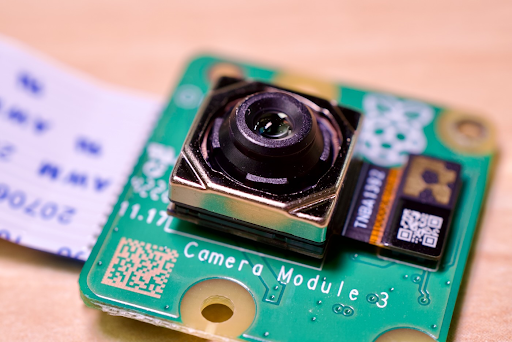
Precision and efficiency are the foundations of success in industrial automation. As manufacturing processes advance, businesses realize that off-the-shelf camera modules, including standard USB camera solutions, often fail to meet their specific operational needs. While USB cameras are widely used for general imaging tasks, they may lack the flexibility and optimization required for high-performance industrial applications, whether for defect detection, robotic vision, or automated inspections. Standard solutions often struggle with challenging environments, specialized imaging requirements, and seamless system integration.
This shift has led to a growing demand for custom camera modules that handle challenging environments, specialized imaging requirements, and seamless system integration. Unlike generic cameras, custom modules can be tailored for higher resolution, better low-light performance, AI-driven analytics, and industry-specific adaptations. Supertek Module, the leading customized camera module manufacturer, specializes in developing imaging solutions that enhance operational efficiency and adaptability for industrial applications.
Companies are improving quality control, operational efficiency, and real-time decision-making by adopting customized imaging solutions. In this article, we’ll explore how custom camera modules are revolutionizing industrial automation and why businesses looking ahead must embrace tailored imaging technology for long-term success.
Enhancing Quality Control: Precision at Its Best
In industrial automation, precision is everything. Even minor defects can lead to costly errors, product recalls, or safety hazards. Custom camera modules offer high-resolution imaging, AI-powered analysis, and real-time monitoring, vital in improving defect detection and maintaining product consistency.
For example, custom cameras inspect circuit boards in electronics manufacturing, identifying microscopic soldering defects that standard cameras might miss. In automotive production, high-speed vision systems detect paint inconsistencies, misaligned parts, or surface flaws before vehicles roll off the assembly line. Similarly, in the pharmaceutical industry, custom cameras ensure that labels, packaging, and dosages meet regulatory standards, preventing errors that could impact consumer safety.
By integrating tailored imaging solutions, businesses reduce waste, improve efficiency, and maintain high-quality standards. This ultimately increases customer satisfaction and ensures compliance with industry regulations. Supertek’s expertise in designing high-precision camera modules ensures that companies can maintain strict quality control in every production stage.
Streamlining Operations: Efficiency Through Customization
Industrial automation thrives on speed, accuracy, and reliability, and custom camera modules are at the core of optimizing production lines. Unlike standard cameras, custom imaging solutions are designed to seamlessly integrate with existing systems, providing real-time monitoring, automated inspections, and AI-driven decision-making.
By leveraging tailored camera modules, manufacturers can detect process inefficiencies, track materials, and identify bottlenecks—all while minimizing downtime. High-speed custom cameras enable precise alignment checks in assembly lines, ensuring every component is correctly placed. In logistics and warehousing, AI-powered vision systems streamline barcode scanning, inventory tracking, and automated sorting, reducing the need for manual labor.
Moreover, by automating complex tasks, businesses can reduce human error, increase throughput, and lower operational costs. Custom camera modules enhance efficiency and consistency and help industries future-proof their operations for more innovative, data-driven manufacturing.
Safety First: Monitoring and Compliance
Safety is a top priority in industrial environments, and custom camera modules play a critical role in monitoring hazardous areas, ensuring worker protection, and maintaining regulatory compliance. Unlike standard cameras, tailored imaging solutions can be optimized for extreme conditions, real-time hazard detection, and AI-driven safety alerts.
For example, in chemical plants and manufacturing facilities, thermal imaging and infrared-enabled custom camera modules help detect gas leaks, overheating equipment, and fire risks before they escalate into serious incidents. Motion tracking and depth-sensing cameras enhance collision avoidance systems in construction and heavy machinery operations, reducing accidents in dynamic work environments.
Beyond safety, custom cameras also assist in regulatory compliance by accurately documenting work conditions, tracking PPE usage, and ensuring adherence to industry safety protocols. By investing in custom imaging solutions, businesses can create a safer workplace, minimize risks, and more effectively meet compliance standards.
Flexibility and Scalability: Adapting to Changing Needs
As industries evolve, so do their technology and imaging requirements. Custom camera modules provide the flexibility to adapt to shifting industrial demands, ensuring businesses stay competitive and future-ready. Unlike standard solutions, customized imaging systems can be tailored for specific operational needs, whether higher resolution, enhanced AI capabilities, or integration with emerging automation technologies.
For example, in smart factories, businesses can upgrade existing camera modules with advanced features like edge computing and machine learning, improving efficiency without overhauling entire systems. Modular camera solutions can be easily scaled in logistics and warehousing to accommodate growing production lines, increased throughput, or expanded inventory management needs.
Investing in custom camera modules allows companies to scale operations with minimal disruption, ensuring seamless expansion and long-term adaptability. This future-proof approach enhances productivity and reduces the cost of frequent system replacements, making it a strategic choice for industrial automation.
Cost Implications: Investing in Long-Term Gains
While custom camera modules may require a higher initial investment, they offer significant long-term benefits that outweigh the upfront costs. Unlike off-the-shelf solutions, which often require modifications, workarounds, or frequent replacements, custom modules are built to meet specific operational needs, reducing inefficiencies and unnecessary expenses.
For example, precise defect detection and automated quality control in manufacturing prevent costly recalls and material waste. In logistics, AI-enhanced vision systems improve inventory tracking and reduce errors, leading to fewer delays and lost revenue. Additionally, optimized integration and scalability ensure that businesses don’t have to constantly upgrade or replace imaging systems, resulting in lower total cost of ownership (TCO).
By reducing downtime, improving accuracy, and minimizing manual intervention, custom camera modules help businesses save money, enhance productivity, and achieve a higher return on investment (ROI). Thus, they are a wise, future-proof investment in industrial automation.
Case Studies: Success Stories in Industrial Automation
Many industry leaders have embraced custom camera modules to enhance efficiency, precision, and automation.
In automotive manufacturing, a major producer integrated AI-powered custom cameras for real-time defect detection, reducing quality control failures by 30% and minimizing recalls. In pharmaceutical production, a company implemented high-resolution imaging modules to verify packaging accuracy, ensuring compliance with strict regulatory standards while reducing waste.
Similarly, a logistics company optimized its inventory tracking system with tailored vision sensors, leading to 20% faster order fulfillment and fewer errors in warehouse operations. Supertek has worked with businesses across industries to develop imaging solutions that improve productivity, enhance accuracy, and drive innovation in industrial automation.
Conclusion: Embracing Customization for Future Growth
As industrial automation advances, custom camera modules have become a key driver of efficiency, precision, and scalability. By moving beyond off-the-shelf solutions, businesses can tailor imaging technology to meet their unique operational needs, whether for quality control, safety monitoring, or AI-driven analytics.
Investing in custom camera modules ensures long-term adaptability, cost savings, and competitive advantage. Companies looking to stay ahead in an evolving market should consider tailored imaging solutions as a strategic investment in innovation and automation. The future of industrial efficiency lies in customization—built to fit, built to last.