

The serve, a fundamental and strategic weapon in tennis, is more than just a game starter; it’s a pivotal skill that can set the tone for dominance on the court. A powerful and accurate serve not only gives players an edge in tennis odds, but it also acts as a psychological tool, instilling confidence in the server while applying pressure on the opponent. Mastering this art is crucial for any tennis player aiming to elevate their game.
A well-executed serve can be the difference between holding or losing a game, making it a critical component in the arsenal of any aspiring champion. This guide is designed to unravel the complexities of the tennis serve, offering a step-by-step approach to perfecting this vital skill.
From the basics of the serve mechanics to advanced techniques and mental strategies, we aim to provide comprehensive insights and practical tips to transform your serve into a formidable force. Whether you’re a beginner looking to learn the right way or an intermediate player aiming to refine your serve, this guide is your roadmap to serving like a pro.
Understanding the Basics of a Tennis Serve
The tennis serve is not just the starting point of a point; it is a powerful weapon in a player’s arsenal, setting the tone for the entire rally. It is the only shot where the player has complete control, without any direct influence from the opponent. Fundamentally, a serve involves hitting the ball over the net into the diagonally opposite service box, aiming to make it difficult for the opponent to return effectively.
There are several types of serves, each with unique characteristics and tactical uses. The flat serve, known for its speed and minimal spin, is often used to surprise the opponent with its pace and direct trajectory. The slice serve, with its side-spin, causes the ball to swerve, making it tricky to return. It is particularly effective in pulling the opponent wide off the court.
The kick serve, featuring a pronounced topspin, creates a high bounce, challenging the receiver to hit a comfortable return. This serve is especially useful on second serves, where reliability is key. Mastering these serves allows a player to keep opponents guessing and can shift the momentum of the game, showcasing the serve’s pivotal role in tennis.
The Mechanics of a Good Serve
Mastering the mechanics of a good serve in tennis is crucial for any player aiming to elevate their game. The serve motion is a complex, coordinated sequence starting with the grip – typically a continental grip is advised, as it allows for versatility and power. The stance is equally important; a balanced, comfortable starting position with feet shoulder-width apart lays the foundation for a powerful serve.
The backswing and toss are where precision plays a key role. The backswing should be fluid, with the racket swinging back in a smooth arc, while the ball toss needs to be consistent in height and placement, ideally just above the reach of your extended racket. The magic happens in the moment of striking – a swift upward motion, making contact with the ball at the peak of its ascent.
The follow-through is the final, but essential part of the serve, where the racket should naturally flow in the direction of the serve, ending with your body facing the net. Common mistakes include an inconsistent toss, which can throw off the entire motion, and a lack of follow-through, which can significantly reduce power and accuracy. To avoid these pitfalls, players should practice each component of the serve individually, then gradually combine them into one fluid motion, ensuring a reliable and effective serve every time.
Mastering the Serve Toss
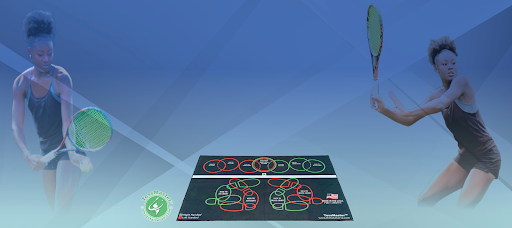
Mastering the serve toss is a fundamental aspect of perfecting your tennis serve, as it sets the stage for the entire motion. A consistent and accurate ball toss is key to achieving power and precision in your serve. The technique involves holding the ball with your fingertips, not the palm, to ensure a smooth release.
The toss should be fluid and controlled, with the arm extending fully upwards in a motion that mirrors placing the ball gently into the air rather than throwing it. The height of the toss is crucial; ideally, it should be just high enough that you can hit the ball at the peak of its rise. To improve consistency, practice drills such as the ‘coin toss,’ where you place a coin on the ground and aim to have the ball land on it.
Another effective drill is practicing your toss against a wall or fence, aiming to have the ball gently touch it at the peak. These exercises help develop a feel for the right height and trajectory, ensuring that your serve starts off with the precision needed for an effective game. Remember, a well-executed toss is the foundation of a powerful and effective serve, making its mastery vital for any aspiring tennis player.
Power vs. Precision: Striking the Right Balance
Striking the perfect balance between power and precision in a tennis serve is a critical skill that separates good players from great ones. Generating power in your serve hinges on a combination of factors:
- the kinetic chain,
- proper body rotation,
- and a fluid arm motion.
The kinetic chain involves coordinating your entire body, starting from the ground up, transferring energy from your legs, through your torso, and finally into your arm and racket.
This chain reaction ensures maximum force is imparted to the ball. Body rotation is equally crucial; a well-timed twist of your hips and shoulders can add significant power to your serve. As for the arm motion, a fluid, whip-like swing with a firm wrist at the point of contact helps propel the ball with force. On the other hand, precision requires mastery over the serve toss and the point of racket-ball contact.
The toss should be consistent in height and placement, creating a reliable setup for each serve. Hitting the ball at the peak of the toss in the sweet spot of the racket is key for precise control. Focusing on these elements, along with regular practice, enables players to find the elusive sweet spot where power meets precision, transforming their serve into a formidable weapon on the court.
Advanced Serve Techniques
In tennis, learning advanced serves like the kick serve and the American twist is really important for players who want to get better. The kick serve makes the ball spin a lot and bounce high and away from the other player. This is really good on slow courts and is a great choice for a second serve because it’s not easy for the other player to return.
The American twist is a kind of kick serve but it makes the ball spin sideways too. This makes the ball move in unexpected ways. It’s great for surprising the other player or making them move out of their comfortable spot. To get good at these serves, you need to understand how to hold your racket, how to throw the ball up, and how to hit the ball. You also need to practice a lot to get the feel and timing right.
Knowing when to use these serves depends on what works best against the other player. A kick serve can really change the game, especially if the other player isn’t good at hitting balls that bounce high. The American twist serve is also good for messing up the other player’s rhythm. Adding these serves to your game takes patience and lots of practice, but they can really make your serving game much stronger.
Conclusion
To sum up, getting really good at serving in tennis involves learning a lot, staying fit, thinking smartly, and practicing a lot. It doesn’t matter if you’re just starting out or if you’re already good at tricky serves like the kick serve and American twist, improving your serve will make your overall tennis game much better.
Your serve is important. It’s not just about starting the game; it’s a strong move that can help you control the match. Paying attention to how you serve, from the way you throw the ball to the way you swing your racket, and knowing when and how to use different kinds of serves, is really important to play well. Being fit, ready in your mind, and having the right tennis gear are also big parts of getting better at serving.
If you keep working hard, stay patient, and follow the tips in this guide, you’ll be on your way to serving like a pro. Every serve is a chance to beat your opponent. Keep practicing, stay sharp, and always try to get better. In tennis, having a strong serve is super valuable and can really improve how you play.